
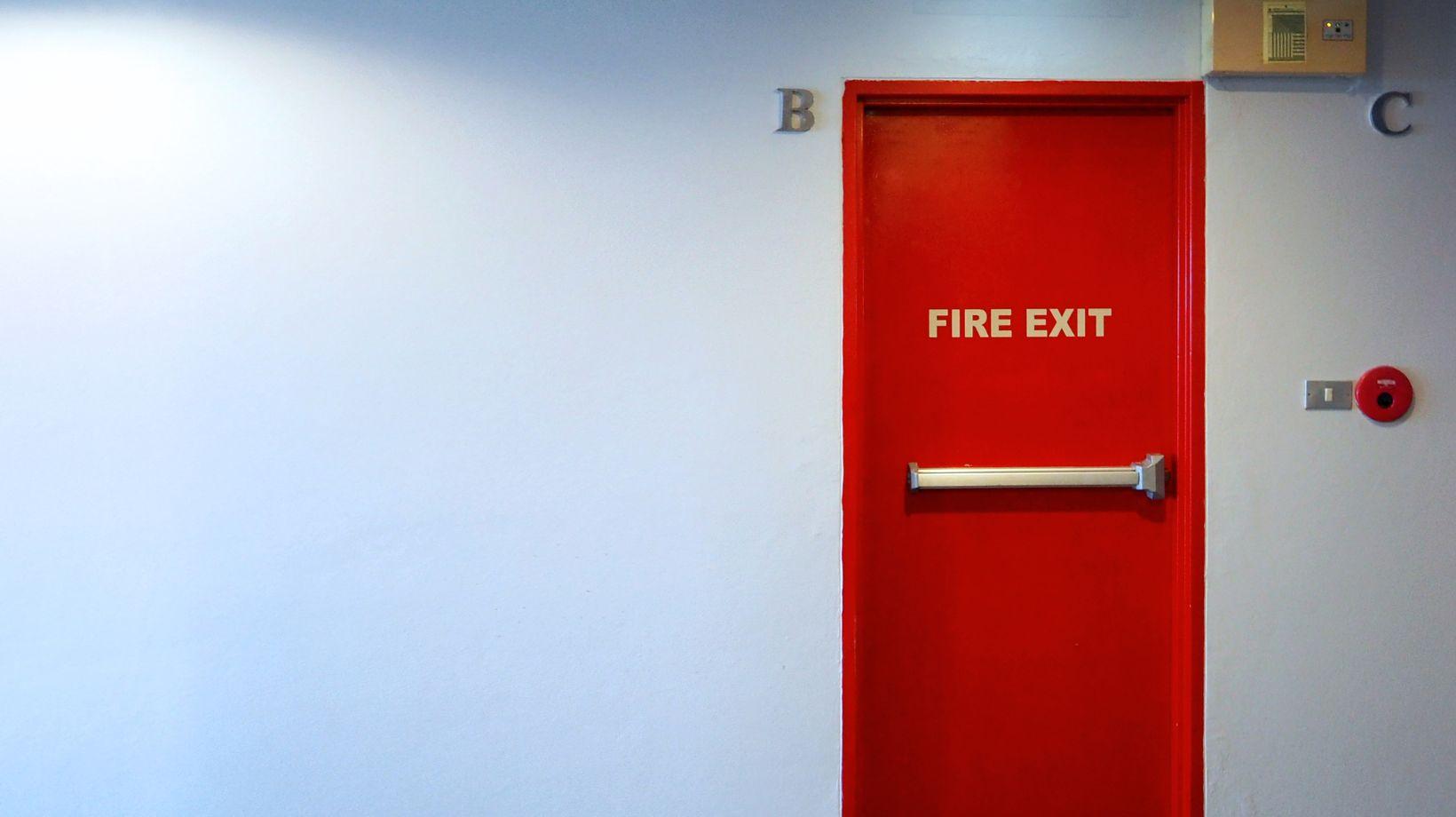
Every tenant has the right to live in a home that is safe, and fire safety sits at the heart of that right. In shared and multi-occupancy housing, where several households use the same hallways, stairs and kitchens, a single fire can put many people at risk. That is why landlords are legally expected to maintain effective fire protection, and why fire doors are one of the first things local councils check during inspections.
For landlords across the capital, the practical question is who should carry out the work. Choosing experienced Fire Doors Fitters London helps ensure that every door, frame and seal is installed to a certified standard, rather than simply looking the part. For tenants, it means safer escape routes. For landlords, it means documented compliance, fewer enforcement risks and protection for their investment.
Table of Contents
ToggleWhat Fire Doors Do for Tenants
A fire door is designed to hold back flames and smoke for a fixed period, typically 30 or 60 minutes. That time can be the difference between a safe exit and a dangerous situation, particularly at night when tenants may be asleep. By containing a fire within the room where it starts, fire doors keep corridors and stairwells usable for longer and give the fire service more time to respond.
In houses divided into several lettings, fire doors also protect people who are not in the room where the fire begins. A tenant on the top floor depends on the doors below to keep the stairs passable. This shared dependence is exactly why fire door standards are treated seriously in rented accommodation.
A Landlord’s Legal Duties on Fire Safety
Landlords in England must take reasonable steps to protect tenants from fire risks. For houses in multiple occupations, these duties are stricter and are enforced through licensing conditions and fire safety legislation. In practice, landlords are generally expected to:
Failing to meet these duties can lead to improvement notices, civil penalties and, in serious cases, prosecution. It can also make it far harder to defend a claim if a fire causes harm.
Why Specialist Fitters Make a Difference
A fire door is only as good as its installation. Gaps around the frame that are too large, missing intumescent seals, non-rated hinges or a faulty self-closing device can all stop a door from performing as tested. These faults are not always obvious to the eye, which is why inspectors look closely at installation quality.
Specialist fitters understand the full door assembly and the standards it must meet. When choosing a fitter in London, landlords should look for:
Older London housing stock brings extra challenges, as irregular openings and settled frames often need careful adjustment. Local experience is a genuine advantage here.
What Tenants Can Do if They Have Concerns
Tenants who notice problems with fire safety should not ignore them. Warning signs include doors that do not close fully, damaged or missing seals, doors wedged open, broken closers and blocked escape routes. The sensible first step is to report the issue to the landlord or managing agent in writing and keep a copy.
If the problem is not dealt with, tenants can contact the local council’s housing or environmental health team, which has powers to inspect rented homes and require landlords to carry out repairs. Charities such as Shelter and local tenant advice services can also explain tenants’ options.
Frequently Asked Questions
Are landlords legally required to fit fire doors?
It depends on the property type. Houses in multiple occupations commonly require fire doors under licensing conditions and fire safety rules, while other rented homes are guided by the outcome of a fire risk assessment. Checking your local council’s requirements is essential.
How long do fire doors protect a property?
Most are rated FD30, which resists fire for at least 30 minutes, or FD60 for at least 60 minutes. The correct rating depends on the building layout and the risk assessment.
What qualifications should a fire door fitter have?
Look for third-party certified installers or fitters with recognised fire door installation training, plus relevant insurance. Ask for evidence of certification and examples of similar work before agreeing a quote.
How much does it cost to fit fire doors in London?
Costs vary depending on the number of doors, their rating, frame condition and finishes. Replacing frames or adding glazing increases the price, so a site survey and a written, itemised quote are the best way to understand the true cost.
Can tenants fit or replace fire doors themselves?
No. Tenants should not alter or replace fire doors, and doing so could breach a tenancy agreement. Any problems should be reported to the landlord, who is responsible for arranging compliant repairs.
Conclusion
Fire doors are a simple but powerful protection for people living in rented homes, and getting them right is a shared priority for tenants and landlords alike. Landlords who use qualified fitters, keep proper records and carry out regular checks protect both their tenants and their own legal position. Tenants who know the warning signs and their right to a safe home can speak up early. In a city as densely housed as London, careful fire door installation and maintenance is one of the most effective ways to keep rented homes safe.