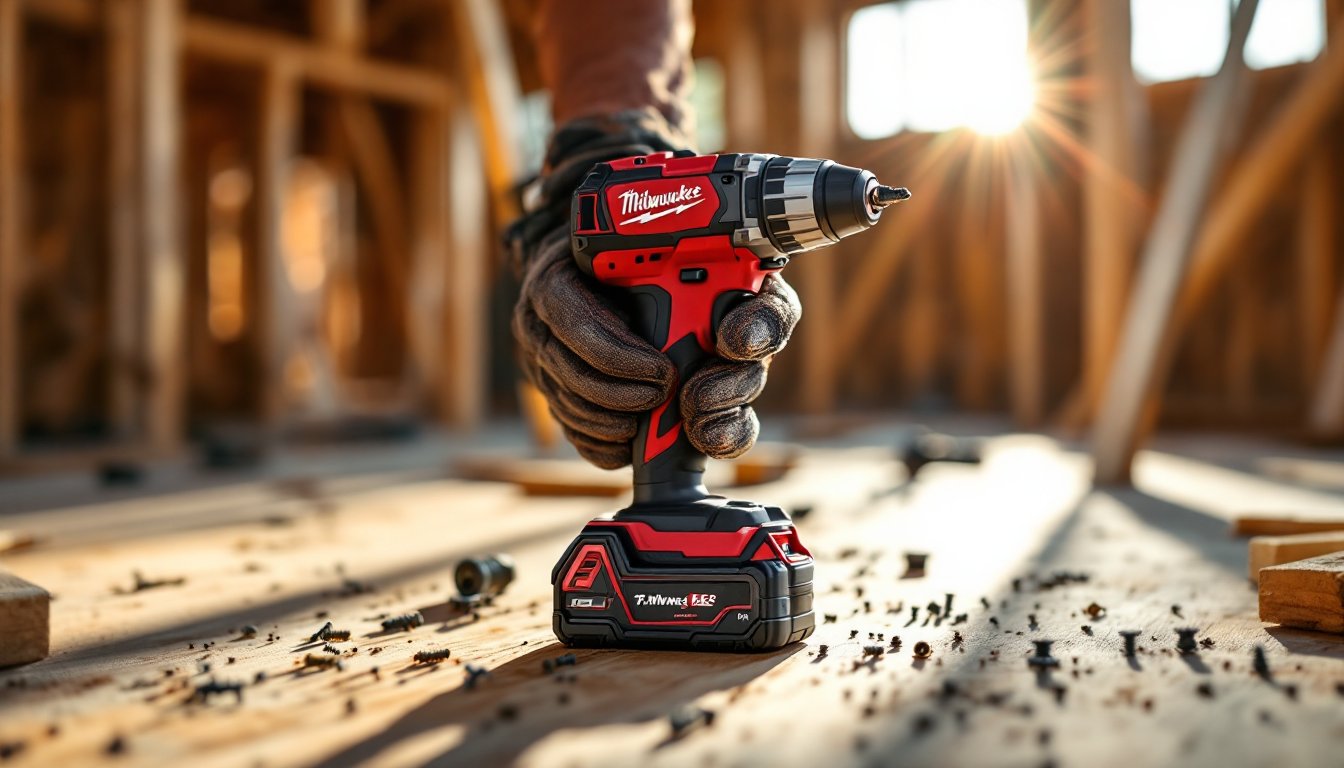
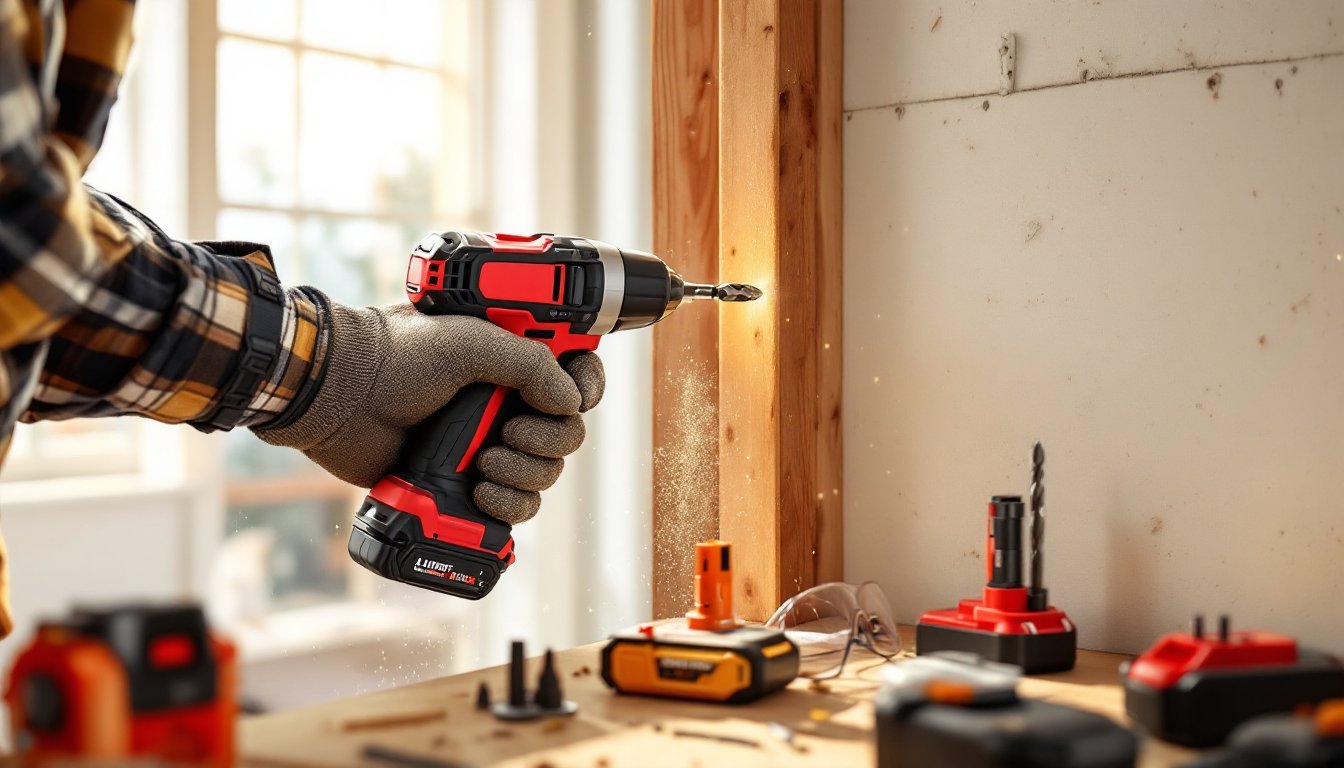
A 90 degree impact driver, sometimes called a right-angle impact driver, is a compact power tool that fills a genuine gap in any DIY arsenal. Unlike standard impact drivers with their long, horizontal form factor, these angled tools let users drive fasteners into tight corners, overhead framing, and confined spaces where a conventional driver simply won’t fit. Whether tackling a bathroom remodel, installing deck railings in a tight corner, or fastening blocking inside wall cavities, a right-angle impact driver saves time, reduces frustration, and often prevents the need for awkward body positions or workarounds. If you’ve ever cursed while trying to drive a screw above your head or into a corner, this tool speaks to a real problem. Let’s break down what they are, when to use them, and how to pick the right one for your projects.
Table of Contents
ToggleKey Takeaways
- A 90 degree impact driver’s L-shaped design enables fastening in tight corners, overhead spaces, and wall cavities where standard drivers won’t fit, saving time and reducing frustration.
- The 90 degree impact driver works through rapid internal hammer strikes (2,000–3,200 blows per minute) that absorb rotational reaction, making overhead work more ergonomic and accessible for users of all sizes.
- For most homeowners, cordless 18V–20V right-angle impact drivers offer the best balance of portability, runtime, and power, with modern recharge times of 30–60 minutes.
- Common applications include deck work, cabinetry installation, overhead framing, plumbing support, and renovation demolition—projects where horizontal space is limited but reach is critical.
- Proper maintenance—cleaning the chuck, inspecting bits, storing batteries correctly, and using impact-rated fasteners—extends your 90 degree impact driver’s lifespan and ensures reliable performance.
- When choosing a model, prioritize voltage (12V for light use, 18V–20V for heavy fastening), keyless chuck design, torque range (80–100 foot-pounds for carpentry, 100+ for structural work), and comfortable grip ergonomics.
What Is A 90 Degree Impact Driver?
A 90 degree impact driver is a compact, right-angle variant of the standard impact driver. While a regular impact driver has a pistol-grip form factor with the chuck mounted at the end of a long barrel, a right-angle model positions the chuck perpendicular to the handle, creating an L-shaped or elbow design.
The impact mechanism works the same way as a standard impact driver: internal hammers strike an anvil in rapid succession (usually 2,000–3,200 blows per minute), translating rotational force into short, powerful bursts. This means less user effort is needed to drive large fasteners, and less spinning torque is transferred back to your wrist and arm, a real benefit when working overhead or in awkward positions.
These tools typically accept standard 1/4-inch hex shanks, so any impact-rated bit or socket fits. Power usually ranges from 12V to 20V cordless batteries, with some models offering corded or pneumatic variants. The compact head is the key: usually 4–6 inches from the grip to the chuck, making them ideal for spaces where a traditional drill or driver is too bulky.
Key Advantages For Tight Spaces
The primary appeal of a 90 degree impact driver is access. In a corner between a wall and a joist, a standard drill’s handle sticks straight out and either collides with the wall or forces you into an awkward angle. The right-angle design lets the handle lie flat against the wall while the chuck reaches perpendicular into the joint.
They’re invaluable for cavity work, fastening blocking inside wall voids, installing bolts in concealed spaces, or securing hardware where horizontal room is plentiful but depth is not. Overhead applications benefit too. Installing trim or ledgers along a soffit is more ergonomic with the right-angle format: your arm doesn’t fatigue as quickly, and you maintain better control.
The compact form also reduces the risk of dropping the tool or striking nearby surfaces. In finished spaces or around cabinetry, that’s a safety and protection bonus. Because the impact mechanism absorbs rotational reaction, even smaller-bodied users can manage fasteners that would be exhausting with a standard driver in tight quarters.
Top Use Cases And Applications
Right-angle impact drivers shine in several recurring scenarios:
Deck and Stair Work. Fastening blocking or ledger boards in tight corners where the rim joist and band board meet. You can’t get a standard driver into that space, but a right-angle tool slides in.
Cabinetry and Built-Ins. Installing hardware, adjustable shelf pins, or interior bracing in corners. The tool doesn’t hang outside the space, reducing chipped paint or drywall damage.
Overhead Framing. Securing blocking, bracing, or ties in soffits, attic spaces, or vaulted ceilings. Working overhead with an angled driver beats contorting with a pistol-grip model.
Plumbing and HVAC Support. Fastening straps, hangers, and clips where ducts or pipes run parallel to studs and joists. The right-angle design fits naturally into these confined zones.
Automotive and Equipment Work. Detailing shops and mechanics appreciate these tools for engine-bay fastening or underbody bolt removal in tight engine compartments.
Renovation Demolition. When removing fasteners in tight demolition work, undersides of stairs, between studs in old walls, the angled access is a game-changer. Time savings add up quickly across a full remodel.
How To Choose The Right Model
A few key specs separate models and influence which one suits your needs:
Voltage and Battery System. 12V is lighter and faster-charging, ideal for occasional use. 18V–20V handles bigger fasteners and runs longer without recharge: most professionals stay in this range. Check if your household battery platform (DeWalt, Makita, Milwaukee, etc.) is compatible, switching brands means new batteries and chargers.
Chuck Design. A keyed chuck requires a wrench to tighten: a keyless chuck is faster to swap bits. Most modern impact drivers use keyless, which is preferred for convenience.
Impact Rate and Torque. Higher impact rates (3,000+ per minute) and torque (100+ foot-pounds) let you tackle thicker material or larger fasteners. For light carpentry and cabinet work, 80–100 foot-pounds suffices: structural fastening demands the upper range.
Handle Ergonomics. Since comfort matters in tight spaces, choose a model with a grip that isn’t slippery and that positions your hand naturally when working at angles. Hold it in a showroom if possible.
Weight and Balance. An extra pound matters when working overhead. Lithium-ion batteries are lighter than older nickel-cadmium types: newer models tend to favor lighter designs.
Comparing Cordless Vs. Corded Options
Cordless (Lithium-Ion Battery-Powered). The standard choice for DIY and site work. Pros: no cord tangles, mobility, no outlet dependency. Cons: runtime limits, battery cost, recharge time. Best for: most homeowners, job-site use, areas far from outlets.
Corded Electric. Usually cheaper upfront, unlimited runtime, slightly more power reserve. Cons: cord management in tight spaces, outlet dependency, trip hazard. Best for: budget-conscious DIYers, stationary shop work, long uninterrupted tasks.
Pneumatic (Air-Powered). Lightweight, highest power-to-weight ratio, very durable. Cons: need a compressor, hose management, louder operation. Best for: professional shops with compressor infrastructure, high-volume fastening.
For most homeowners, cordless 18V or 20V right-angle impact drivers offer the best balance. Battery technology in 2026 is mature: recharge times are 30–60 minutes for most mid-range packs, and capacity is sufficient for a full weekend project without swaps.
Maintenance And Longevity Tips
Right-angle impact drivers are robust, but a few practices extend their life:
Keep the Chuck Clean. After dusty demolition or heavy use, wipe the chuck and bit shank with a dry cloth to prevent bit slip. Don’t let sawdust pack into the internal mechanism.
Inspect Bits Regularly. Bent or chipped 1/4-inch hex bits can damage the chuck and reduce torque transfer. Discard worn bits and replace with quality impact-rated alternatives (not regular drill bits, which shatter under impact stress).
Store Batteries Properly. Keep lithium-ion packs in a cool, dry place. Extreme heat or cold reduces lifespan. Store half-charged if storing for months.
Use Appropriate Fasteners. Driving undersized or wrong-material fasteners can damage the bit and the tool. Match screw head design to your bit (Phillips, square-drive, etc.).
Wear Safety Gear. Always use impact-rated safety glasses, bits can snap and eject. Work gloves reduce fatigue and protect against pinch points. In confined spaces, good lighting prevents accidents and slips.
Check Handle Integrity. If cracks appear in the grip or housing, stop using the tool and contact the manufacturer. Cracked housings may harbor moisture and cause electrical hazards in cordless models.
Conclusion
A 90 degree impact driver isn’t essential for every DIYer, but if you find yourself wrestling standard drivers into corners, overhead spaces, or cavity work, it’s a smart investment that pays dividends in comfort, speed, and frustration reduction. Assess your typical projects, if tight-space fastening comes up regularly, the 18V or 20V cordless right-angle models on the market deliver solid performance at reasonable cost. Stick to quality brands with accessible battery ecosystems, prioritize grip comfort, and you’ll have a reliable tool for years.