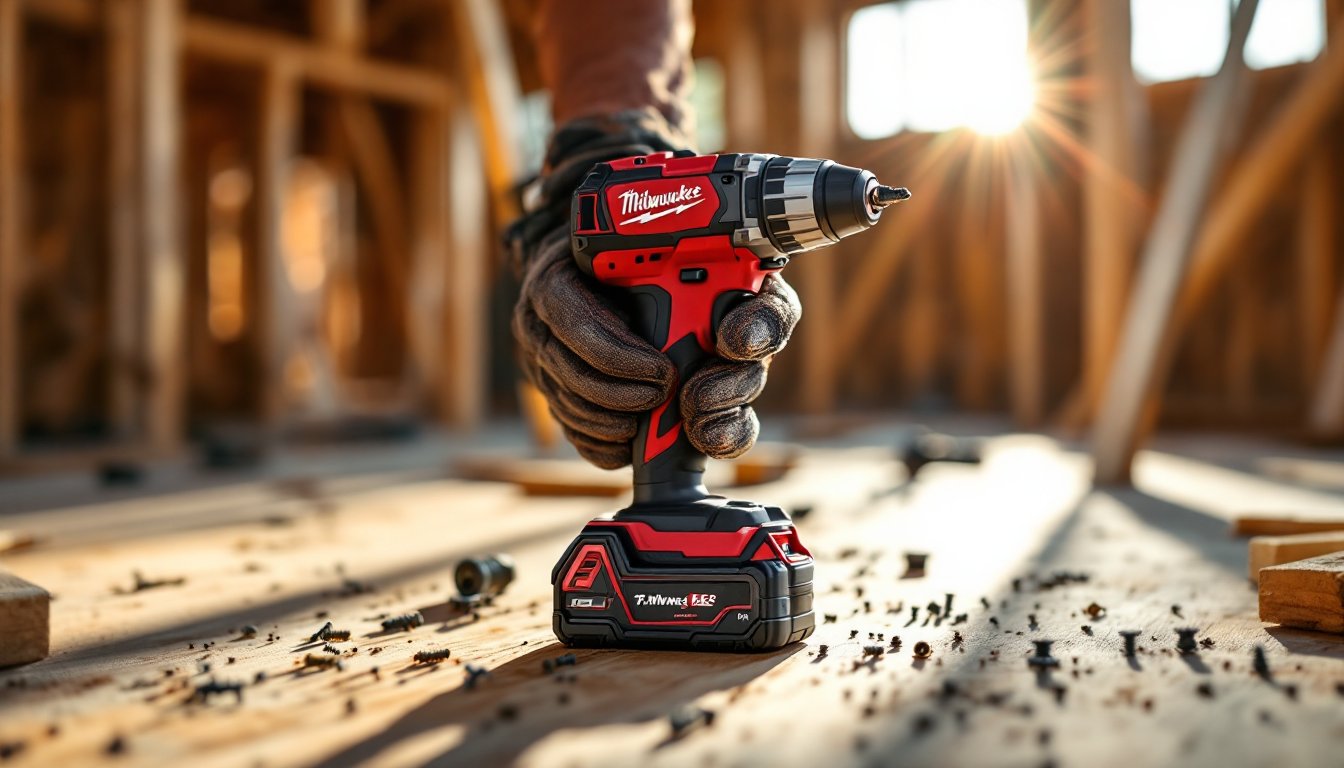
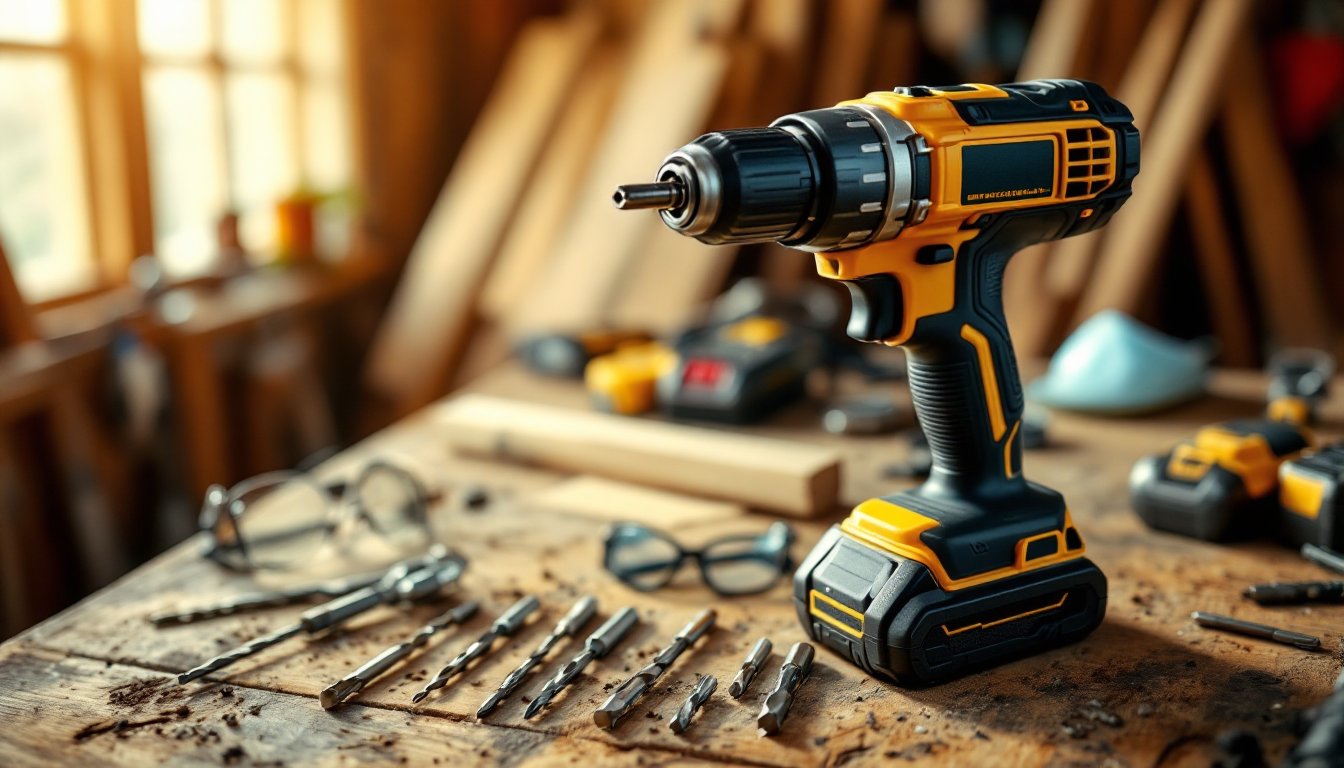
Many DIYers wonder whether an impact driver can double as a regular drill, and the short answer is: yes, but with caveats. The two tools look similar at a glance, but they work differently and have distinct strengths. Understanding when it’s safe and practical to use an impact driver for drilling, and when it’s not, will help a homeowner avoid damaged materials, stripped screw heads, and frustration. This guide breaks down the differences, explains what tasks work well with an impact driver, and covers best practices for using one beyond its primary purpose of driving fasteners.
Table of Contents
ToggleKey Takeaways
- An impact driver can be used as a drill for rough carpentry and framing in dense materials, but its impact mechanism sacrifices accuracy compared to a dedicated drill.
- Impact drivers deliver rapid bursts of torque (2,500–3,200 IPM) ideal for driving fasteners, while traditional drills use steady rotational force better suited for precision drilling tasks.
- Avoid using an impact driver to drill metal, precise holes for hardware, or trim work, as the impacts cause bit chatter, bit walk, and potential breakage or splits.
- If using an impact driver for drilling, always use drill bits (not driver bits), reduce torque or speed settings, secure your workpiece, and start holes slowly to prevent bit walk.
- The ideal setup for most homeowners is owning both tools: an impact driver for fastening and rough drilling, and a drill for precision work, hardware installation, and general home improvement projects.
The Key Differences Between Impact Drivers And Drills
An impact driver and a drill (also called a drill-driver) operate on fundamentally different principles, and that shapes what each tool does best.
A traditional drill uses continuous rotational force to turn a bit. When you pull the trigger, the motor spins the chuck steadily. It relies on steady torque and speed to bore holes or drive screws. A drill typically has lower torque output but offers more control and precision, making it ideal for drilling clean, accurate holes in wood, metal, and plastic.
An impact driver, by contrast, delivers power in rapid bursts or “impacts.” Inside the tool is a hammer mechanism that engages when resistance is felt, delivering sudden rotational strikes rather than smooth, continuous rotation. This impacts-per-minute action (often 2,500–3,200 IPM depending on the model) makes impact drivers exceptional at driving long screws, lag bolts, and fasteners into dense materials without stalling. The bursts of torque overcome stubborn resistance quickly and with less user fatigue.
In practical terms: a drill feels like a steady push: an impact driver feels like rapid tapping. That difference affects accuracy, material compatibility, and the quality of the finished hole or fastening.
Can You Use An Impact Driver As A Drill?
When It Works Well
Yes, an impact driver can be used for drilling in the right circumstances. If a homeowner needs to bore a hole in framing lumber, joists, or dense hardwood for a lag screw or structural fastener, an impact driver with a drill bit (not a driver bit) will get the job done quickly. The rapid impacts power through tough wood efficiently, and the tool won’t stall out the way a lighter drill might.
Drilling pilot holes in soft materials, pine, drywall, plasterboard, also works fine with an impact driver. The impacts won’t overpower these materials, and the tool’s speed means less user effort. For rough carpentry, framing, or demolition work, this dual-use capability is genuinely practical.
If a homeowner is on a budget and needs to choose one cordless power tool, an impact driver is a reasonable investment because it handles both driving and basic drilling. Many DIYers make do with just an impact driver for general homeowner tasks without serious issues.
When It Doesn’t Work Well
But, precision drilling is where impact drivers fall short. The impact mechanism causes bit chatter and vibration, which makes it difficult to drill clean, accurately centered holes in plastic, drywall, or tile. Bit walk, where the bit skates across the surface before biting in, happens more readily with an impact driver because of those bursts of force.
Drilling holes for cabinet hinges, drawer hardware, or electrical outlet boxes demands accuracy. An impact driver’s jarring motion makes this tedious and error-prone. The homeowner will likely end up with oversized or misaligned holes that compromise the fit of hardware.
Using an impact driver to drill metal is also risky. The impacts can cause bit breakage, especially with small drill bits. Metals like aluminum and steel need steady, controlled rotation, and the impact mechanism can cause the bit to catch suddenly and either snap the bit or wrench the homeowner’s wrist.
Drywall anchors, cabinet screws, and trim work where the appearance matters also belong in the drill camp. An impact driver’s violence can split trim wood, strip pilot holes, or leave ragged exits. Finally, if a homeowner owns a good-quality drill already, there’s little reason to reach for the impact driver for drilling, it’s optimized for fastening, not boring.
Best Practices If You Use An Impact Driver For Drilling
If a homeowner does use an impact driver for drilling, a few techniques will improve results and safety.
First, always use the right bit type. A drill bit (pointed tip, spiraled flutes) differs from a driver bit (flat or Phillips tip for fastening). Using a driver bit in the chuck for drilling won’t work well and will slip or chatter. Invest in a small set of quality twist drill bits in common sizes (1/16″, 3/32″, 1/8″, 5/16″, etc.) sized for nominal lumber (actual dimensions, not listed size, a 2×4 is truly 1.5″ × 3.5″). Keep them in a labeled organizer to grab the right one quickly.
Second, reduce the torque setting or switch to a lower speed mode if the impact driver has one. Most modern cordless impact drivers include a variable-speed trigger or a mode dial. Running at lower impacts-per-minute reduces vibration and chatter. A slower speed also gives better control and reduces the chance of bit walk on hard surfaces.
Third, always wear safety glasses. Impact drills kick harder than conventional drills, and a bit can break or bind unexpectedly. Ear protection is wise too, the rapid hammering is loud. For overhead drilling (holes in a ceiling or upper cabinet interior), wear a dust mask if drilling into old materials, as vibration can dislodge dust.
Fourth, clamp or secure the workpiece. The impact’s jarring force can cause the material to shift or rotate, throwing off aim. In framing, a quick clamp or standing weight often suffices. For smaller projects, a bench vise works well.
Fifth, start holes with a bit slower or with the trigger very light. Once the bit has bitten into the surface (less risk of walk), press in a bit harder. This is especially important in plastic or laminate, where a quick impact can cause cracking.
Finally, understand the limits of cordless battery power. Impact drivers with lithium-ion (Li-ion) batteries outperform older NiCd or NiMH models, but sustained heavy drilling will drain a battery faster than light fastening. If planning extended drilling work, have a second battery charged and ready.
Conclusion
An impact driver can absolutely function as a drill for rough carpentry, framing, and general hole boring in tough materials. But, it sacrifices accuracy and finesse in exchange for power. For precision work, hardware installation, trim, or metal drilling, a dedicated drill is the better choice. The smartest approach is to own both tools if the budget allows. If choosing one, an impact driver gives more versatility for heavy fastening tasks, while a drill remains the workhorse for general home improvement. Understanding each tool’s sweet spot means finishing projects faster, with better results, and fewer mistakes.